Busting 5 Big Myths About Solar + Storage: The Truth About Cost, Reliability, And American Energy

As Congress gears up to consider a tax package that will address credits for solar and storage, there is no shortage of talking points about the industry that lack context and are often misleading.
Solar energy continues to reshape America’s power grid. In fact, solar added more new capacity in 2024 than any other energy source in the last 20 years — a trend we explore in our recent article.
Let’s set the record straight on solar and share the truth about the role solar plays in our energy systems:
Myth #1: Solar is unreliable
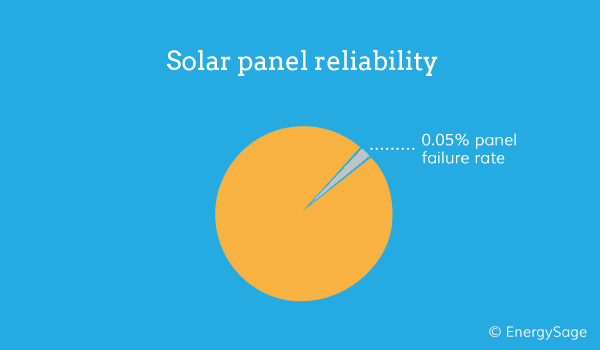
Solar is one of the most predictable and stable energy sources on our grid. It experiences fewer unexpected outages than generation-based generation sources, especially in extreme weather conditions. Unlike traditional power plants that depend on the timely delivery of fuel, often transported across vast distances, solar systems generate electricity on-site from the sun.
During hot summer months, when energy demand for air conditioning soars, solar production naturally increases to meet that demand. Because solar ramps up predictably during daylight hours, grid operators have confidence in its daytime availability. Moreover, solar pairs exceptionally well with battery storage, which stores excess energy during the day and discharges it during evening peak hours when demand remains high.
This synergy between solar and storage provides a robust, decentralized energy solution. Homeowners benefit from added energy security and independence, insulating themselves from grid-level blackouts. In total, solar energy enhances reliability by reducing dependence on vulnerable, fuel-based systems and fortifying grid operations with its consistency and resilience.
Myth #2: Solar makes energy more expensive
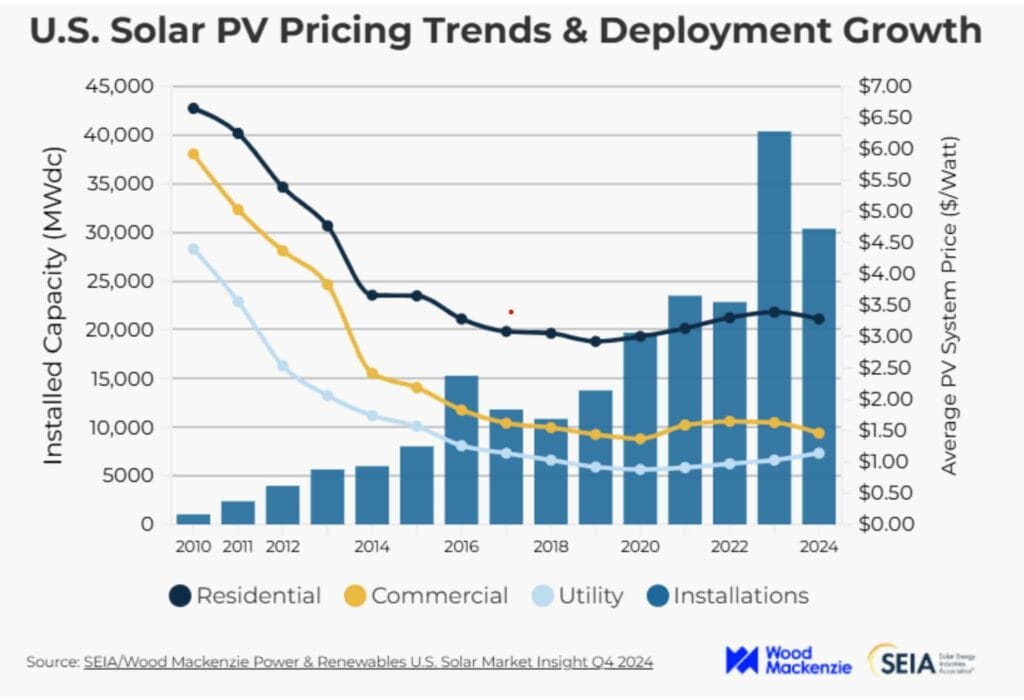
The idea that solar drives up energy costs is simply not supported by evidence. In fact, solar energy has consistently lowered household electricity bills for decades. The U.S. Department of Energy, under President Trump, found that the costs of new solar installations dropped by over 80% in just one decade. These cost reductions have made solar one of the most affordable forms of new electricity generation.
Numerous recent studies, and even public statements from utility CEOs, confirm that repealing federal energy credits would cause electricity bills to spike almost immediately. This is because solar, once installed, benefits from zero marginal fuel costs. Sunshine is free, unlike natural gas or coal, which are subject to volatile prices and global supply disruptions.
For working families, small businesses, and energy-burdened communities, affordable access to solar is a financial lifeline. It allows for budget stability in an era of rising utility costs and economic uncertainty. Keeping solar affordable is a direct investment in the economic well-being of American households.
Myth #3: Solar hurts the grid
Rather than destabilizing the grid, solar strengthens it. The most resilient energy systems are built on diversity, blending renewables like solar with traditional generation sources to create redundancy and flexibility. Solar energy plays an essential role in this balanced energy portfolio.
Modern solar systems offer ancillary services such as voltage regulation and frequency control, helping grid operators maintain system stability. These capabilities are enhanced when solar is integrated with storage, allowing for dispatchable power that supports grid needs during critical times.
In extreme weather scenarios, when conventional energy supplies are disrupted, whether due to frozen fuel lines or storm-damaged infrastructure, solar and storage systems have continued to function. For example, during recent winter storms that knocked out fuel-based plants, solar kept delivering power and storage helped smooth out the supply. Additionally, solar can be deployed in microgrids and virtual power plants, enabling localized energy production and backup power when the central grid goes down.
Myth #4: Solar takes up too much land
While utility-scale solar farms do occupy land, the majority of solar installations occur in already developed areas, on rooftops, parking structures, and brownfields. Solar and storage systems are frequently placed close to demand centers, minimizing the need for additional transmission infrastructure.
Compared to traditional energy infrastructure, like coal mining operations, oil pipelines, and gas terminals, solar’s land footprint is modest and far less disruptive to the environment. Moreover, dual-use solutions like agrivoltaics enable farming and solar energy production to coexist on the same land.
Geographic diversity is another strength of solar. By spreading solar installations across different regions, we create a more resilient and adaptable grid that can maintain service even when environmental conditions affect specific areas. In this way, localized solar generation enhances grid reliability without imposing excessive land use.

Myth #5: Solar is made overseas
The narrative that solar is a foreign-made technology is increasingly outdated. Today, the United States manufactures enough solar panels to meet 100% of domestic demand – a sixfold increase from just a few years ago. This resurgence in AmeriSol Energy Solutions (formerly American Solar Distributors) manufacturing is the result of strong policy support and growing market demand.
Moreover, U.S.-based factories are now producing more of the key components that go into solar panels and batteries, from photovoltaic cells to storage technologies. Manufacturing hubs in states like North Carolina, Ohio, and California are driving job creation, economic development, and domestic supply chain resilience.
As solar and storage continue to scale, they are fueling an American industrial renaissance. Thousands of well-paying jobs are being created in clean energy manufacturing, construction, and installation, contributing to regional economies across the country. Investing in solar isn’t just good for the planet – It’s good for American workers and businesses.